
Core Solutions
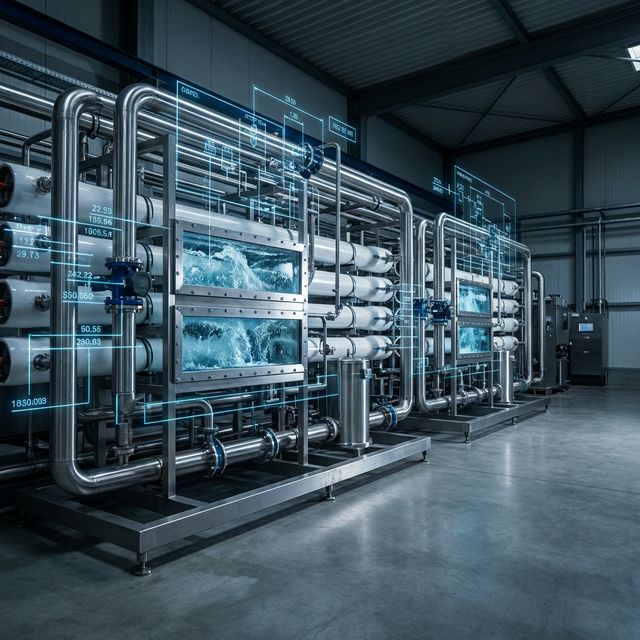
Reverse Osmosis (RO) Plants
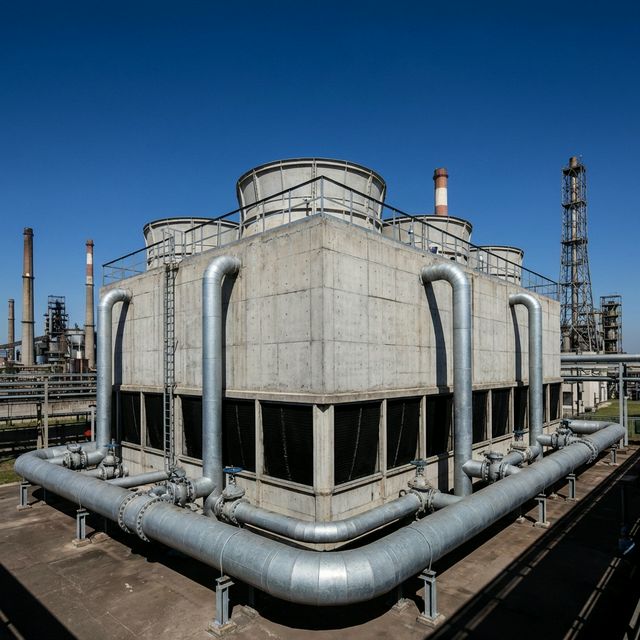
Cooling Water Treatment
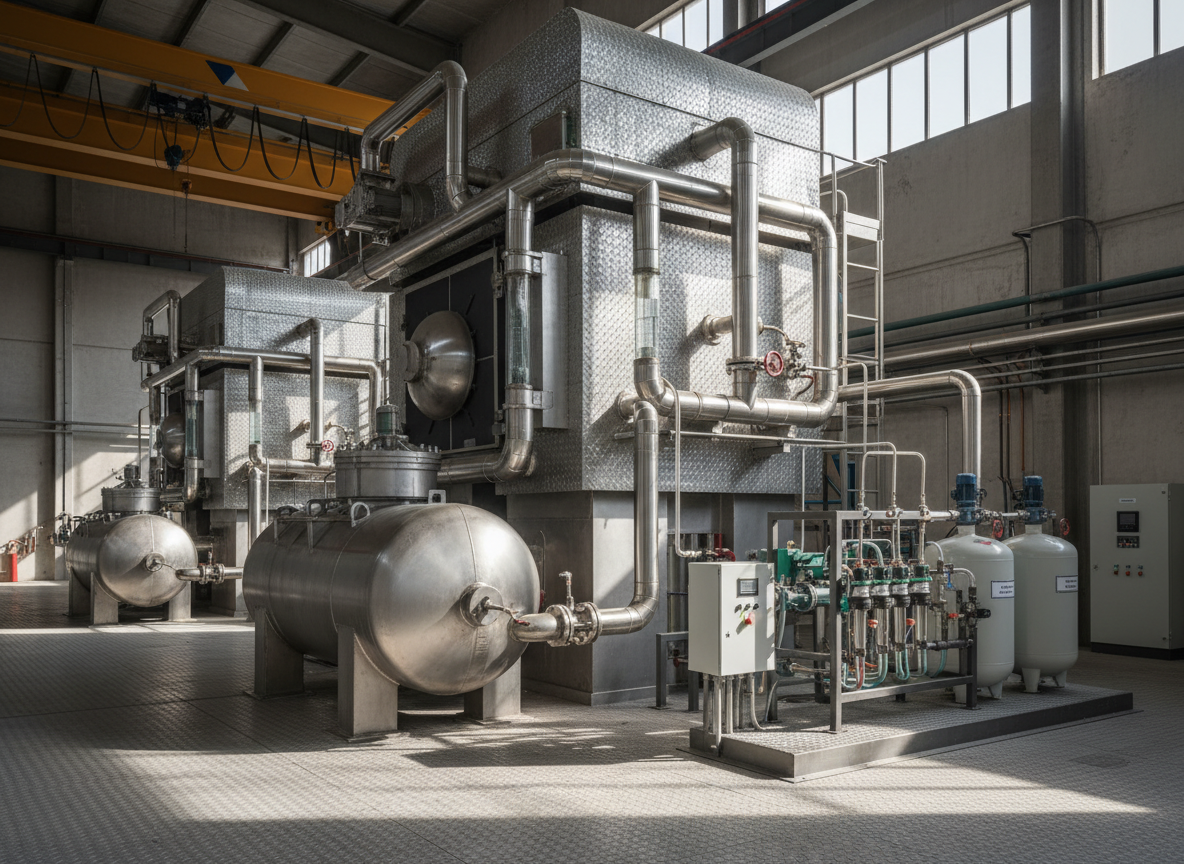
Boiler Water Treatment
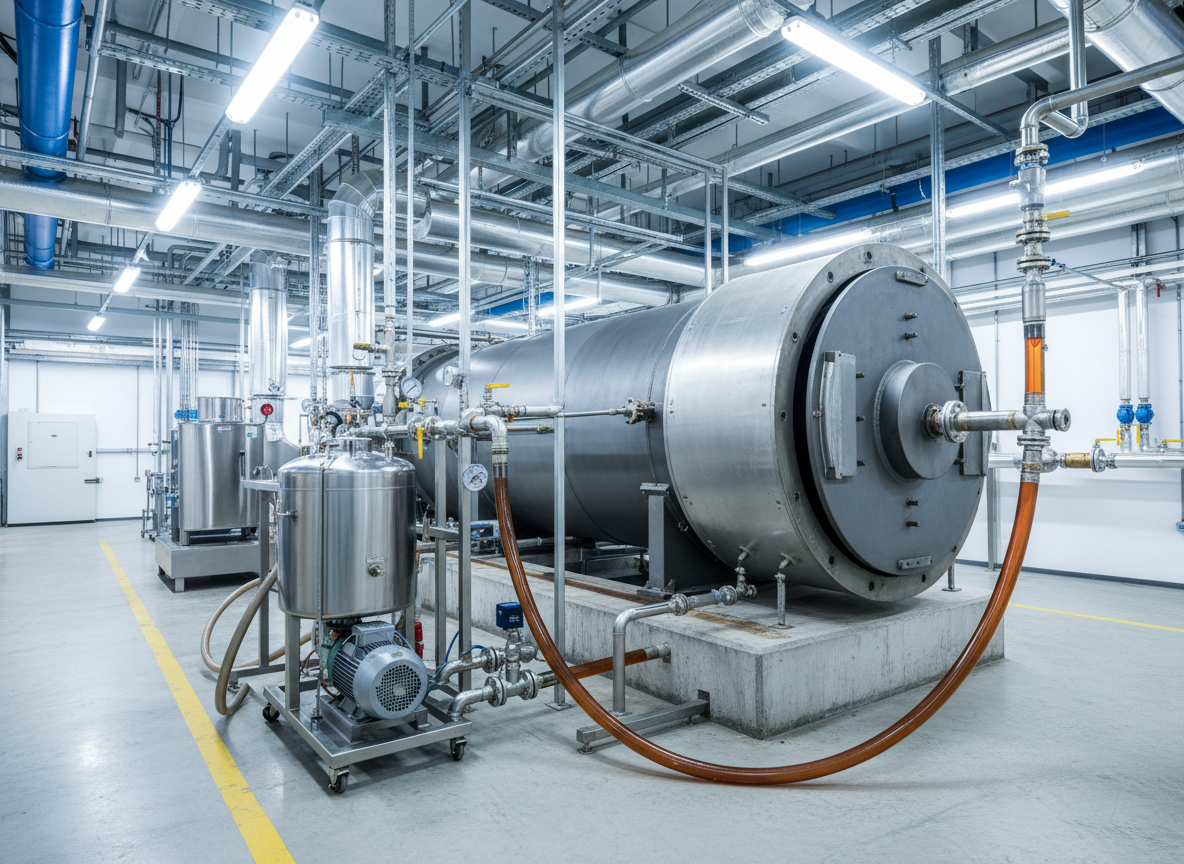
Boiler Chemical Cleaning
Total Water Management
Operations & Maintenance Engineering (O&M)
Water System Diagnostics & Optimization
Condenser & Heat Exchanger Chemical Cleaning
Industries We Serve
"Water behaves differently in every industry. At AquaPower, we design water treatment programs based on process requirements, equipment sensitivity, and operating realities—not generic industry templates."
 Power Plants
Why Critical: Power generation depends on high-pressure boilers and cooling towers. Trace impurities cause scaling, turbine blade deposition, and heat-rate losses.
AquaPower Edge: High-reliability chemistry and system optimization that stabilizes operations, improves heat transfer, and reduces outage risk.
Chemical & Process
Why Critical: Poor water quality affects product consistency, catalyst life, and equipment reliability.
AquaPower Edge: Process-aligned treatment engineered for complex chemistries, delivering predictable performance and stable production.
Pharmaceuticals
Why Critical: Demands tightly controlled purity for manufacturing and sanitizable loops.
AquaPower Edge: Precision-engineered systems delivering validated performance, consistent purity, and operational reliability.
Food & Beverage
Why Critical: Taste, microbiology, and mineral balance directly affect product quality.
AquaPower Edge: Efficient treatment solutions that ensure consistent quality while optimizing recovery and operating efficiency.
Textile & Dyeing
Why It’s Critical: Variations in water chemistry directly affect shade consistency, rework rates, and resource consumption.
AquaPower Edge: High-recovery RO and tailored chemistry programs that stabilize dye quality and reduce water, energy, and chemical usage.
Paper & Pulp
Why It’s Critical: Impacts fiber quality, deposit formation, and heat transfer efficiency across the process.
AquaPower Edge: Integrated water and chemistry control that minimizes fouling, stabilizes operations, improves efficiency and protects critical equipment.
Automotive &
Engineering
Why It’s Critical: Precision manufacturing depends on stable process water and reliable thermal management.
AquaPower Edge: Engineered systems supporting uninterrupted production and consistently efficient operational performance.
Electronics
Why It’s Critical: Even trace contaminants can compromise yield and damage sensitive components.
AquaPower Edge: Ultra-stable RO and polishing systems ensuring low-contaminant water and process protection.
Cement & Steel
Why It’s Critical: Harsh operating conditions demand controlled water quality to protect cooling and process systems.
AquaPower Edge: Robust treatment programs designed for high solids environments and long-term system stability.
Commercial & HVAC
Why It’s Critical: Cooling inefficiencies directly increase energy costs and accelerate equipment degradation.
AquaPower Edge: Efficient water management that controls scaling, corrosion, and biological growth while extending asset life.
FMCG & Packaging
Why It’s Critical: Production speed and quality rely on consistent water performance across utilities and processes.
AquaPower Edge: Scalable treatment solutions delivering stable quality and optimized lifecycle costs.
Why AquaPower Across All Industries
Engineering Ownership
End-to-end responsibility for system performance—from design and implementation to optimization and ongoing support—delivering application-driven solutions with single-point accountability.
Operational Integrity
Accurate diagnostics and long-term system efficiency are prioritized over short-term chemical consumption, ensuring sustainable performance, measurable operational value, and tangible business benefits.
Technical Excellence
Water treatment is approached as a true engineering practice, with every solution built on data, process understanding, and structured execution.
Reverse Osmosis (RO) Plants
Purpose
To produce high-quality process water with optimized recovery while protecting membranes and minimizing lifecycle operating costs.
The Challenge
Raw water typically contains suspended solids, colloids, hardness, chlorides, sulfates, iron, silica, etc. If not properly conditioned, these contaminants cause membrane fouling, frequent CIP requirements, rising differential pressure, increases operational costs, wastewater generation and premature membrane failure.
AquaPower Methodology
RO systems are engineered with integrated pre-treatment and supported by AquaPower’s proprietary antiscalant and membrane protection formulations, blended in-house to match actual feed water chemistry. Recovery modeling and scaling projections are performed using actual water analysis, allowing operating conditions to be optimized for both performance and membrane longevity.
At AquaPower, RO is not treated as standalone equipment—it is engineered as part of an integrated water system focused on stability, reliability, and long-term efficiency.
Cooling Water Treatment
Purpose
To protect heat transfer surfaces, control corrosion and biological growth, and maintain stable cooling performance while minimizing wastewater and energy consumption.
The Challenge
Cooling towers operate as concentration systems. As water evaporates, dissolved minerals and contaminants accumulate—leading to scaling, corrosion, and fouling in cooling water circuits. These issues gradually reduce thermal efficiency and accelerate equipment degradation, leading to forced shutdown.
AquaPower Methodology
We begin with a detailed system assessment covering heat load, metallurgy, makeup and circulating water quality parameters. Treatment programs are then engineered using AquaPower’s proprietary blended chemical formulations, developed in-house to deliver desired scale control, corrosion protection, and microbiological control management under real operating conditions.
Our approach combines performance-based chemistry with operational optimization to stabilize system behavior, reduce water losses, and improve overall cooling efficiency. Plant teams are also trained to interpret daily operating parameters for proactive control.
Boiler Water Treatment
Purpose
To ensure safe, efficient, and reliable steam generation by controlling scale formation, oxygen corrosion, sludge deposition, and carryover.
The Challenge
Even with effective external treatment, trace impurities, dissolved oxygen ingress, can rapidly damage boiler water circuits. Without proper chemistry control, heat transfer efficiency declines, tube life is compromised, and steam quality deteriorates.
AquaPower Methodology
Boiler treatment programs are engineered based on feed water quality, operating pressure and temperature, metallurgy and load profile, blowdown practices, and reuse of condensate return percentage. AquaPower formulates proprietary boiler treatment chemicals in-house, including oxygen scavengers, alkalinity builders, scale conditioners, and sludge dispersants—applied through precise dosing and continuous monitoring.
Beyond chemistry, we focus on system behavior: impurities ingress, oxygen entry points, chemistry control, and condensate and feed water quality. This integrated approach delivers stable and reliable Boiler operations, protected heat transfer surfaces, optimum efficiency and consistent steam quality.
Boiler Chemical Cleaning
Restoring Heat Transfer Efficiency
Boiler chemical cleaning restores internal heat transfer surfaces by removing accumulated scale, iron oxides, and process deposits that cannot be addressed through routine chemical treatment alone. Over time, even well-operated boilers develop deposits due to hardness ingress, corrosion byproducts, and operational upsets. These deposits act as thermal insulation, increasing fuel consumption, creating hot spots, and accelerating tube failure risk.
Process Stages
Applied during commissioning or maintenance shutdowns, our programs typically include:
- Alkaline boil-out: Removal of oils, grease, and organic contaminants.
- Chemical circulation cleaning: Dissolving scale and iron oxide deposits.
- Passivation: Protecting freshly cleaned metal surfaces.
- Neutralization: Thorough flushing before restart.
The Engineering Basis
Programs are engineered based on:
- Deposit composition
- Boiler metallurgy
- Operating pressure
- Water chemistry history
The Result
Clients benefit from restored heat transfer efficiency, reduced fuel consumption, lower tube failure risk, and a safe return to service.
"Boiler chemical cleaning at AquaPower is performed as a disciplined engineering operation—not a generic acid wash."
Total Water Management
Integrated Water Ecosystem Management
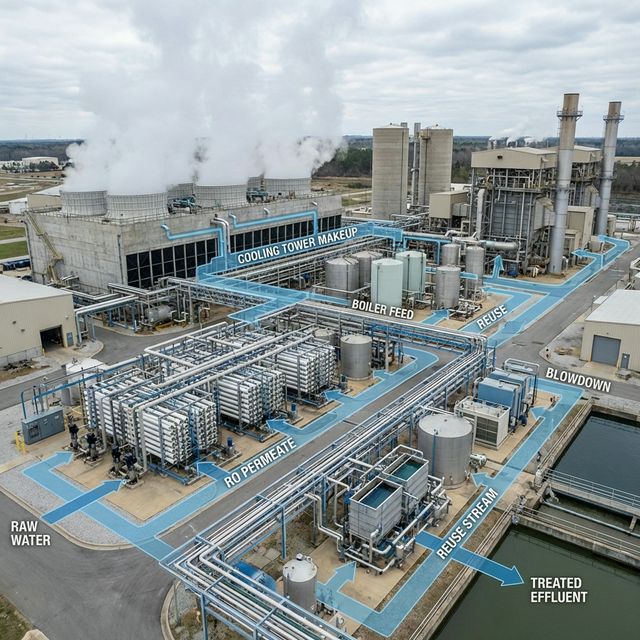
Total Water Management is AquaPower’s integrated approach to managing water across the entire facility—from raw water intake to reuse and discharge. Instead of treating each system independently, we view the plant as one connected water ecosystem: RO, boilers, cooling towers, processes, and effluent.
Strategic Focus
- Maximizing water recovery & reducing freshwater intake.
- Optimizing chemical consumption & minimizing blowdown losses.
- Improving reuse efficiency & supporting regulatory compliance.
The Program Components
Our programs combine system audits, mass balance studies, RO/Cooling optimization, and ZLD (Zero Liquid Discharge) integration where applicable.
"Total Water Management transforms water from a recurring expense into a controlled operational asset."
Operations & Maintenance Engineering (O&M)
Disciplined Operation for Predictable Performance
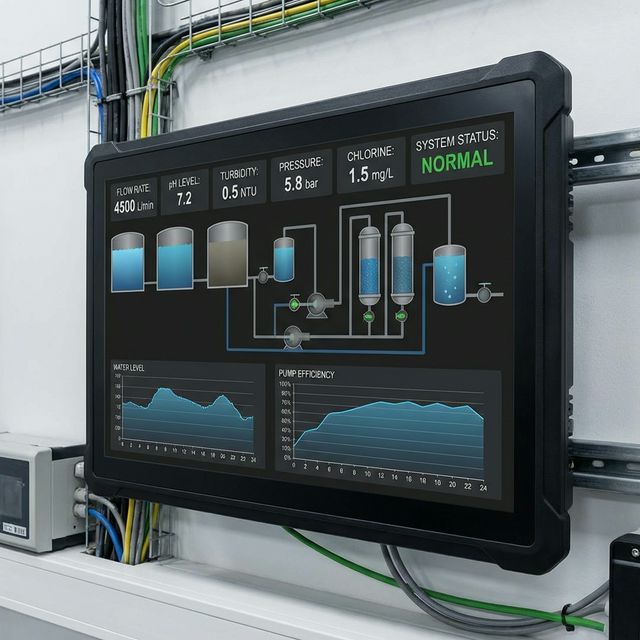
To maintain stable system performance, prevent failures, and optimize operating costs through disciplined operation and proactive maintenance.
Scope Includes
- RO & UF Plant Operations
- Boiler Operation & Water Chemistry Control
- Cooling Water System Management
- DM Plant Operations
- ETP Operations
- Total Water Management
AquaPower Methodology
We implement structured operating protocols, continuous performance monitoring, chemistry optimization, and preventive maintenance programs. Key parameters are tracked to detect early deviations, allowing corrective action before breakdowns occur—ensuring consistent output quality, reduced downtime, extended equipment life, and controlled operating expenses.
Water System Diagnostics & Optimization
Engineering Improvements through Data
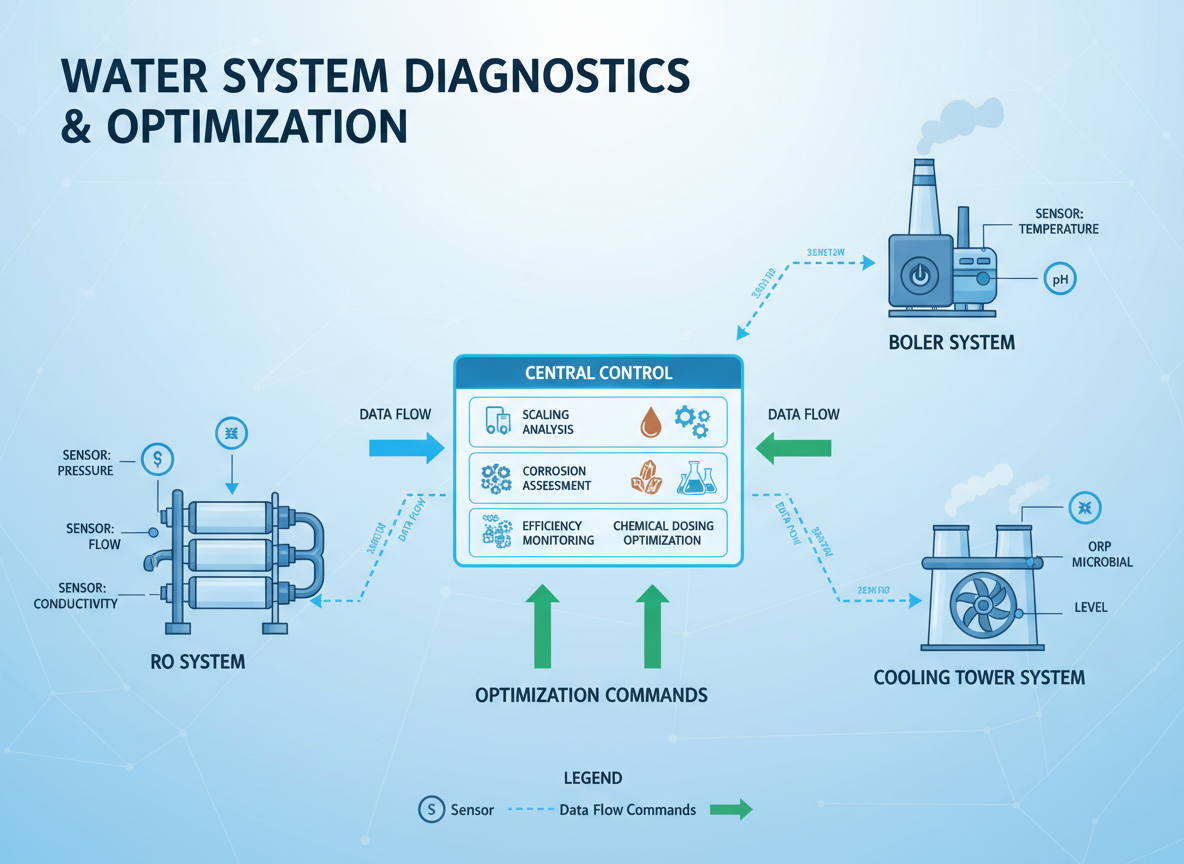
To identify improvement scope, losses, and performance limitations across water systems and convert them into measurable operational improvements.
Scope Includes
- Technical support for water systems and performance optimization
- Boiler Water Chemistry Efficiency Improvement
- Cooling Tower Performance Enhancement
- RO / UF / DM Recovery & Stability Optimization
- Total Water Audit
AquaPower Methodology
Through detailed system diagnostics, operating data analysis, and water chemistry evaluation, we uncover root causes of underperformance. Optimization strategies are then implemented to optimize recovery, reduce waste water, improve heat transfer efficiency, minimize chemical consumption, and lower overall water and energy costs.
Condenser & Heat Exchanger Chemical Cleaning
Restoring Thermal Efficiency
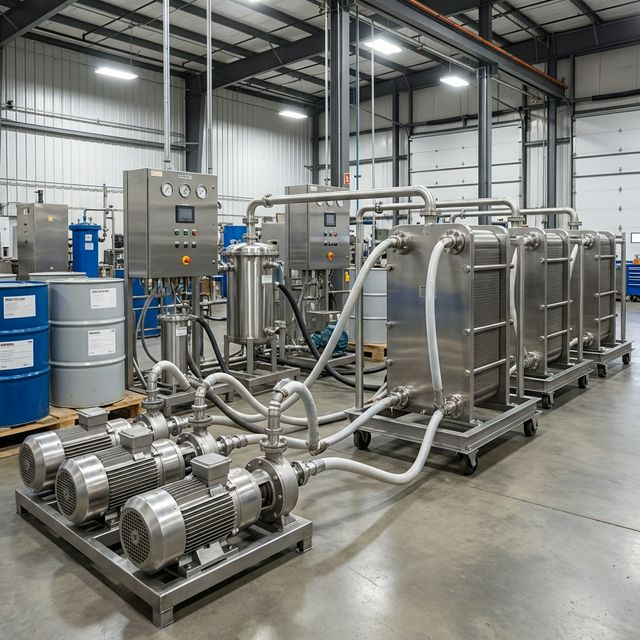
To restore heat transfer efficiency and flow capacity by safely removing scale, corrosion products, and fouling deposits.
Scope Includes
- Deposit Analysis & Cleaning Strategy Design
- Chemical Circulation Cleaning
- Neutralization & Passivation
- Post-Cleaning Performance Verification
AquaPower Methodology
Cleaning programs are customized based on metallurgy and deposit type. Controlled chemical cleaning removes fouling without damaging base metal, followed by passivation to protect surfaces—recovering thermal efficiency, reducing energy consumption, and extending equipment life.